
Follow Lee County's Route From Address to Owner
Finding who owns a property in Lee County works best as a two-step route. The tax roll or a GIS map pinpoints the parcel first. Then the deed records confirm how title actually passed. Hold every result to one parcel number and one legal description, and the answer stays anchored to the same piece of land the whole way.
- Search the street number and street name in the Delta Lee property appraisal portal.
- Save the displayed owner, situs, mailing address, Parcel Number, PPIN, and legal clues.
- Search that owner as grantee in the DuProcess land index.
- Compare the newest deed's grantee, recording date, book/page or instrument, and legal description.
- Use the courthouse Land Records Index or a certified copy if the answer must support a transaction.
A name search can help, but it cannot replace parcel matching in Lee County. If the first query comes up empty, try initials, punctuation, married names, estates, trusts, and entity variants before giving up.
See Where Lee County Property Ownership Appears
Lee County spreads ownership details across the assessor, the recorder, and the GIS map. The three overlap, but each one answers a different piece of the property records puzzle.
| Where ownership is shown | What it gives | How current |
|---|---|---|
| Delta assessment roll | Owner value, mailing and parcel context | Refresh cycle not publicly posted |
| CRMS land index | Grantor, grantee, recording and instrument fields | Daily except weekends and holidays |
| Courthouse Land Records Index | Official indexed land record | Confirm at the clerk |
| State Lee parcel layer | OWNNAME display tied to a polygon | Layer name identifies April 2024 |
The tax roll gives you the fastest lead on an owner of record. The newest recorded grantee in the deed records offers the stronger confirmation. GIS then ties both results to the same ground.
Define the Lee County Owner Roles First
Several names can sit across one parcel in Lee County property records.
- Owner of record
- The party carried on the assessment roll for the parcel.
- Grantee
- The party receiving an interest in a recorded instrument.
- Title
- The legal ownership interest, which a simple index or roll lookup does not conclusively determine.
- Situs address
- The property's physical location, distinct from its correspondence address.
- Mailing recipient
- The person or entity designated to receive notices, not proof of occupancy.
A registered agent for an LLC, or an applicant on a city permit, is not automatically the owner of record in Lee County. Match roles instead of collapsing names.
Use Lee County Assessor Fields Without Guessing
The Lee County assessor offers four practical search routes. Exact formatting rules for the returned cards are not published, so enter values exactly as a source deed or tax roll shows them, and skip invented punctuation.
| Path | Visible field | Best use |
|---|---|---|
| Owner | Name, last and first | Find roll matches and entity spellings |
| Address | Number and street | Identify a known site |
| Parcel | Parcel Number | Cross from a tax or deed reference |
| PPIN | PPIN | Use a second assessor or tax key |
If an exact address returns nothing, try a street variant, an owner name, a parcel number, or a PPIN. That usually breaks the logjam. Then confirm the land by its map location and legal description, since the assessor offers no street-only block listing.
Start With Lee County's Official Appraisal Form
The official appraisal search offers four lookup modes.
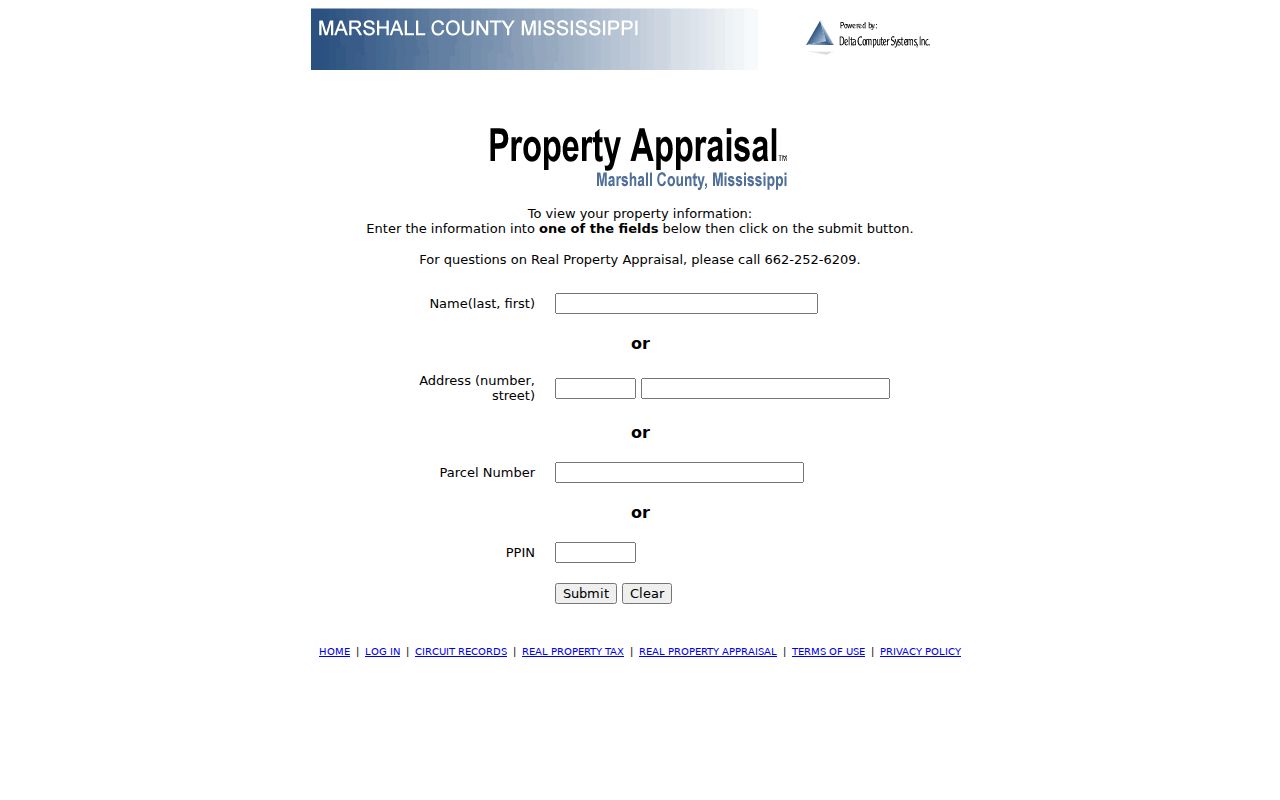
Those choices power the address-to-owner method. They also supply identifiers for a separate deed check.
Confirm the Newest Lee County Grantee
DuProcess accepts a wide range of search inputs. Full Name, Recently Filed, broad date ranges, and instrument number all work. So do book and page, legal description, parcel ID, subdivision, lot, block, and section-township-range. Street, Parcel Number, and PPIN work too. Results show Grantor Party, Grantee Party, Cross Party Name, and instrument type. Legal fields, related items, and image status appear as well.
Work broad at first. Then pull the newest plausible deed. Test its legal description against the parcel before trusting it. A deed of trust, release, lien, easement, power, or corrective instrument can name the same person. Yet it may convey nothing. Instrument type and party role matter as much as recency. Both matter when confirming the owner of record.
Note: CRMS reported daily updates except weekends and holidays, but its online index is informational rather than the official courthouse index.
Trace Lee County LLC, Trust, and Estate Names Carefully
An LLC or corporation often appears as grantee and holds title as the roll owner. Search the exact legal name in CRMS first. Then check the Mississippi Secretary of State directory to tell entities apart. Pull officer or agent details there too. Remember that an agent serves as a contact, not the land's owner.
Trusts and estates demand the same caution. The recorder's documents support trustee, estate, decedent, and representative name variants, so try each. Probate, partition, quiet-title, or foreclosure files may explain a name change. But any court case still has to match the recorded land instrument.
Do Not Mistake a Lee County Tax Buyer for Clear Owner
Lee County is direct on this point. Seven years of paying someone's taxes does not make you the property owner. A delinquency, a tax-sale purchase, a certificate, a redemption, and a matured lien are separate events in the tax roll's life. A deed is a separate event too. Each carries different legal weight. The Tax Collector's status record tracks one part of the story. The Chancery Clerk's recorded deed records show which event actually occurred. Only that recorded trail settles the question. Names on a tax bill answer who paid, not who holds title.
Use Every Lee County Access Channel
If the online portal fails, visit the courthouse in person. Inspect the Land Records Index while the clerk's office is open on weekdays. That index is the fallback every serious parcel researcher eventually uses. Mail requests work too. Identify the land record, the parties, and the approximate filing year. Add the book and page or instrument number, the parcel or PPIN, and the legal description. Say whether you need a certified copy. Enclose payment plus a stamped, self-addressed envelope.
The Mississippi Public Records Act also supports requests for nonexempt records. Expect office procedures, actual-cost charges, redactions, and advance payment to apply. Make a focused request for one index entry or image. Don't ask the office to decide ownership for you.
Understand the Limits of a Lee County Owner Lookup
An owner of record is not always the person living at the property. The mailing address on the tax roll can point somewhere else entirely. Mississippi's Address Confidentiality Program gives eligible victims a substitute address. That protection should never be probed or worked around. Keep any purchase, boundary, easement, or estate question anchored to the parcel itself. Make contact respectfully.
Not proof of title. The assessment roll can lag a new deed, and an LLC or trust can hold the interest. Confirm the newest recorded grantee and use professional title work when the result must be relied upon.
Public ownership data serves lawful property diligence. It must never be used to stalk, harass, intimidate, or harm anyone. For a focused view of the present roll record, see the Lee County current owner guide.